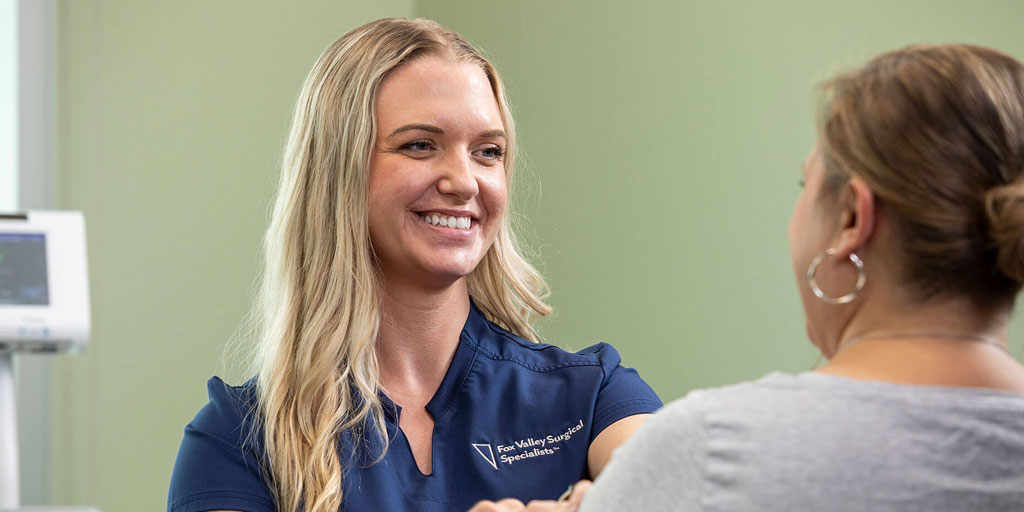
One of the most common things I hear from patients is:
“No one in my family has had breast cancer, so I’m probably not at risk… right?”
Not necessarily. Genetic testing has become one of the most important tools we have in understanding breast cancer risk.
What Is Genetic Testing?
Genetic testing looks for inherited mutations—such as BRCA1 and BRCA2—that can significantly increase the risk of developing breast and other cancers.
This is different from a mammogram or MRI. It’s not looking for cancer—it’s helping us understand your risk before cancer develops.
Who Should Consider It?
You may benefit from genetic testing if you have:
- A personal history of breast cancer
- A family history of breast, ovarian, pancreatic, or prostate cancer
- A diagnosis at a younger age
- Certain ancestral backgrounds
- Or in some cases, even without a strong family history
We are increasingly recognizing that some women with genetic risk would have been missed under older guidelines.
Why It Matters
Genetic testing can directly impact your care:
- It may change how often you are screened
- It can influence surgical decisions if cancer is diagnosed
- It helps identify risks for other cancers
- It provides valuable information for your children and relatives

Related: Dense Breasts: What Your Mammogram Report Means
Addressing Common Concerns
Many women worry about:
- Insurance coverage (often covered when criteria are met)
- Privacy (there are legal protections in place)
- Emotional impact
These are valid concerns—and part of our role is to guide you through them thoughtfully.
Final Thought
Genetic testing isn’t about creating fear—it’s about creating clarity. If you’ve ever wondered whether it’s right for you, a conversation with a specialist or high-risk clinic is a great place to start.
Knowledge truly is power when it comes to prevention and early detection. Contact our specialists at our high-risk breast clinic for more information, or reach out to schedule a consultation today.
BREAST CLINIC CARE PROVIDERS
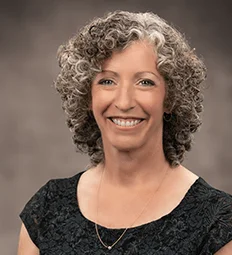
Honnie Bermas, MD, FACS
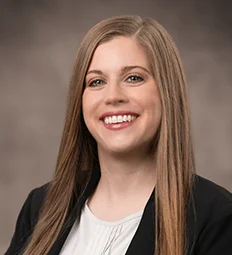
Katherine deAngeli, MD
Kate Myers, PA-C
Michelle Radtke, APNP, FNP-C