If you’ve had a mammogram recently, you may have received a letter saying you have dense breast tissue.
For many women, that raises more questions than answers.
First, What Does “Dense” Mean?
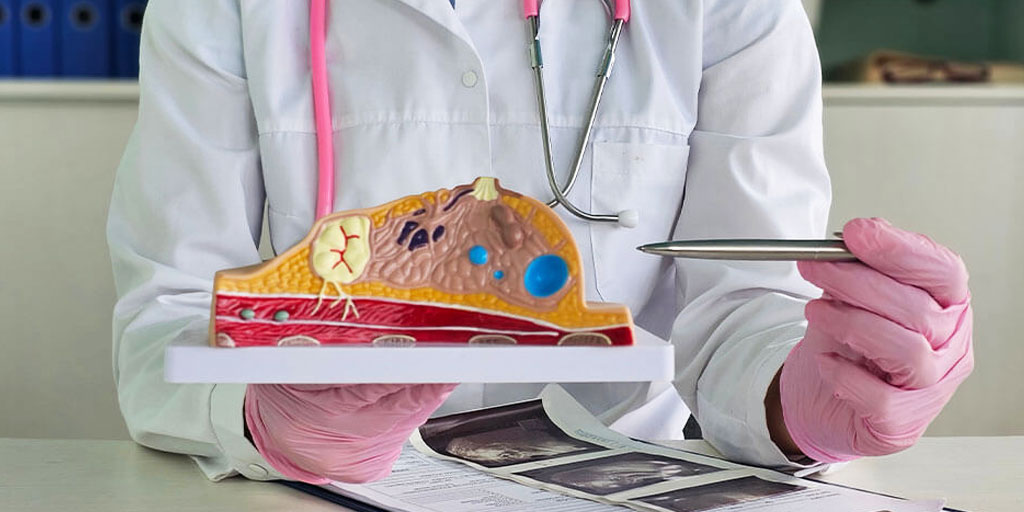
Breast density refers to how breast tissue appears on a mammogram.
Dense breasts are very common—and completely normal. In fact, many women over 40 fall into this category.
Why Does It Matter?
There are two key reasons:
- Dense tissue can make it harder to detect cancer on a mammogram
- It is associated with a slightly increased risk of breast cancer
This doesn’t mean something is wrong—but it does mean we may need to adjust how we screen.
Are There Additional Screening Options?
Yes, depending on your overall risk.
These may include:
- Breast MRI
- Ultrasound
- More personalized screening intervals
The right approach depends on your full risk profile—not density alone.
What Should You Do Next?
If you’ve been told you have dense breasts:
- Don’t panic
- Don’t ignore it
- Start a conversation
Related: Genetic Testing for Breast Cancer: Who Should Consider It and Why It Matters
Ask your doctor:
- Do I need additional screening?
- What is my overall risk?
- Should I see a specialist?
Final Thought
Dense breasts are common—but they’re also important. The goal isn’t to create worry—it’s to make sure you have the right screening plan for you.
For more information, please view our high-risk breast clinic here, or schedule a consultation with Fox Valley Surgical Specialists today.
BREAST CLINIC CARE PROVIDERS
Honnie Bermas, MD, FACS
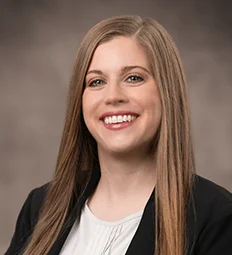
Katherine deAngeli, MD
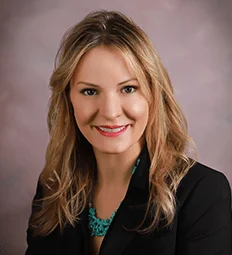
Kate Myers, PA-C
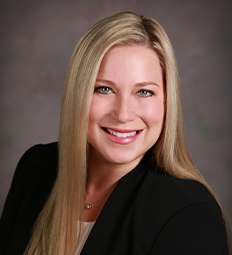
Michelle Radtke, APNP, FNP-C