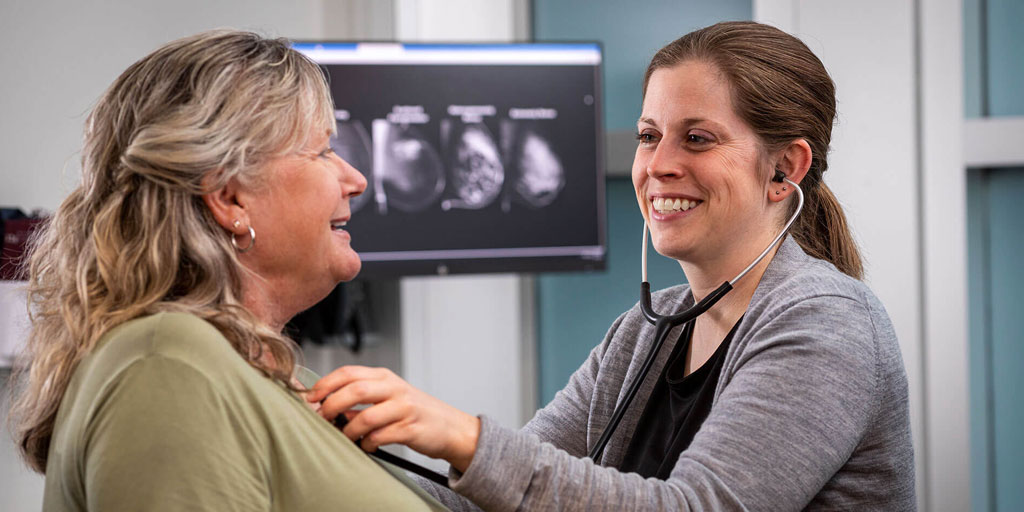
Many women are surprised to learn that high-risk breast clinics even exist.
And yet, for the right patient, they can be one of the most valuable resources in preventing and detecting breast cancer early.
What Does “High Risk” Mean?
Being “high risk” doesn’t mean you have cancer.
It means your likelihood of developing breast cancer is higher than average due to factors such as:
- Family history
- Genetic mutations
- Prior biopsies showing atypical cells
- Dense breast tissue
- Personal medical history
What Happens at a High-Risk Clinic?
These clinics specialize in proactive, personalized care.
This often includes:
- Formal risk assessment using validated models
- Customized screening plans (for example, alternating mammograms and MRIs)
- Genetic counseling and testing
- Preventive strategies when appropriate
Why It Matters
Instead of a one-size-fits-all approach, you get a plan tailored specifically to you.
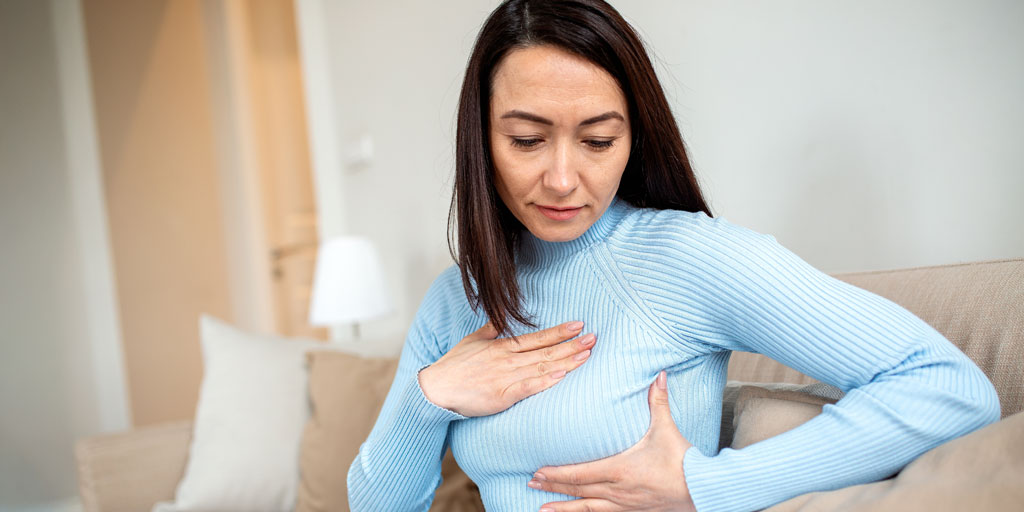
That can mean:
- Detecting cancer earlier, when it’s most treatable
- Reducing risk in some cases
- Avoiding unnecessary anxiety through structured follow-up
Common Misconceptions
“I feel fine, so I don’t need this.”
→ Most breast cancers cause no symptoms.
“This is only for people who already have cancer.”
→ High-risk care is about early detection.
Final Thought
If you’ve ever been told you have dense breasts, a strong family history, or elevated risk—you may benefit from this level of care.
And even if you’re unsure, asking the question is a powerful first step.
Please view our high-risk breast clinic page for more information, or schedule a consultation with Fox Valley Surgical Specialists today.
BREAST CLINIC CARE PROVIDERS
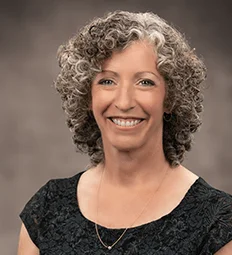
Honnie Bermas, MD, FACS
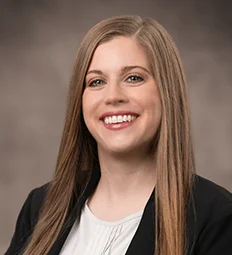
Katherine deAngeli, MD
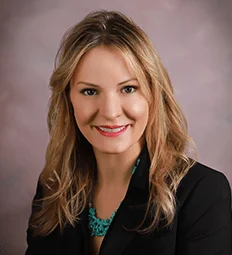
Kate Myers, PA-C
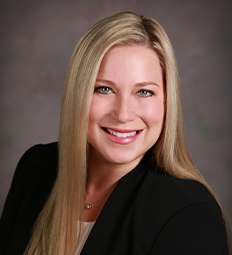
Michelle Radtke, APNP, FNP-C